
Do Pecans Have Polyphenols? How Polyphenols Help Prevent Obesity
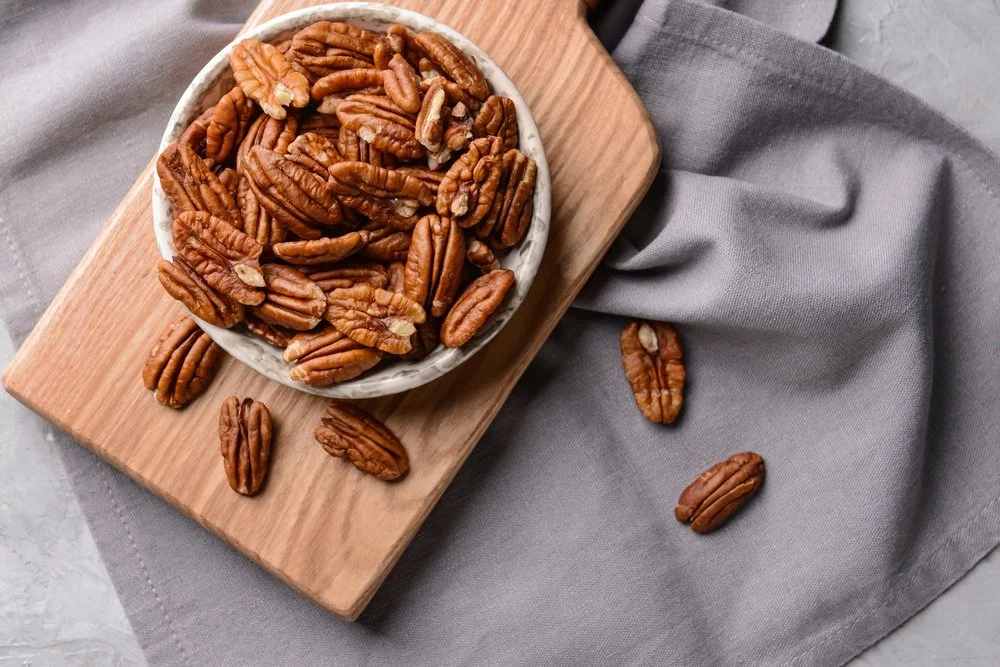
People looking into nutrition science ask, ‘Do pecans have polyphenol?’ as part of a broader interest in weight balance and metabolic wellness. Polyphenols are naturally occurring plant compounds studied for their relationship with inflammation response, fat metabolism, and long-term health outcomes.
Pecans enter this discussion as a whole food that fits with dietary patterns focused on natural compounds rather than synthetic solutions.
Obesity is influenced by more than calorie intake alone. Hormonal signaling, inflammation levels, gut health, and food quality all play a role. Polyphenol-rich foods often support these systems in subtle yet meaningful ways.
Pecans stand out because they combine these compounds with fats and fiber that influence how the body responds to food over time. Some people first enjoy pecans through pecan halves, which are commonly used for snacking and presentation-focused meals.
In many households, southern pecan products reflect agricultural heritage and traditional cooking methods passed down through generations. Some recipes call for pecan pieces because they distribute flavor and texture evenly throughout dishes. Others prefer salted and roasted pecans as a savory option that replaces highly processed snack foods.
Discussing Polyphenols In Simple Terms
Polyphenols are compounds that plants create as part of their natural defense systems. When consumed, these compounds interact with biological pathways related to oxidative stress and inflammatory balance. Researchers have linked polyphenol intake with improved metabolic markers in dietary studies.
Unlike single-nutrient supplements, polyphenols appear most effective when eaten within whole foods. Fiber, fats, and other naturally occurring elements shape how these compounds behave in the body. Pecans illustrate this relationship through their natural composition.
The part they play becomes especially interesting in discussions around weight management and obesity prevention.
Polyphenols And Fat Storage Mechanisms
Fat storage occurs through complex mechanisms involving insulin sensitivity and cellular communication. Diets associated with balanced inflammation response often relate to how efficiently the body manages stored energy.
Polyphenols have been examined for their interaction with fat cells and metabolic pathways. Research suggests these compounds may shape how excess energy is handled rather than rapidly converted into fat tissue.
Pecans bring polyphenols together with nutrients linked to satiety, shaping overall intake patterns across meals and snacks.
Appetite Regulation And Food Satisfaction
Obesity often connects to frequent hunger signals and foods that fail to satisfy. Polyphenol-rich foods tend to relate to steadier appetite signaling through interaction with gut hormones.
Pecans reinforce this pattern through texture, fats, and fiber. These characteristics encourage slower eating and extended digestion, which shape feelings of fullness. Polyphenols add another dimension through their relationship with gut health, which plays a role in appetite control and metabolic response.
Inflammation And Weight Gain
Chronic low-grade inflammation is commonly associated with weight gain and metabolic imbalance. Diets rich in refined carbohydrates and processed fats can contribute to this state.
Polyphenols receive attention for their role in maintaining balanced inflammatory activity. Through interaction with inflammatory pathways, these compounds relate to metabolic stability over time.
Pecans fit into this framework by offering polyphenols in a natural food matrix that is in keeping with whole-food dietary patterns.
Gut Microbiome And Polyphenol Interaction
Gut bacteria interact with polyphenols in ways that shape how these compounds function. Some polyphenols become more active after microbial processing.
Fiber-rich foods nourish beneficial gut bacteria, supporting this interaction. Pecans contain fiber that contributes to this process, shaping digestion and metabolic signaling. A healthy gut environment plays a role in weight balance through its connection to energy extraction and hormone communication.
Energy Balance And Food Quality
Weight balance depends on both the quantity and the quality of food. Polyphenol-rich foods often support better energy regulation by influencing how the body uses fuel.
Pecans release energy gradually due to their fat and fiber makeup. This pattern helps limit sharp hunger cycles that lead to overeating. Combined with polyphenols, this steady energy profile fits dietary habits linked to long-term weight stability.
Snacking Patterns And Obesity Risk
Frequent snacking on refined foods often contributes to excess calorie intake. Replacing these options with whole foods shifts how the body responds to hunger cues.
Pecans serve as a satisfying alternative that promotes satiety. Their richness discourages mindless eating while adding nutritional value. Polyphenols further shape this effect through their relationship with metabolic pathways tied to energy balance.
Long-Term Dietary Habits Matter Most
Obesity prevention depends on repeated habits rather than short-lived strategies. Foods eaten regularly shape metabolic outcomes over time.
Pecans fit naturally into daily routines due to their versatility and shelf stability. This encourages repeated use rather than occasional consumption. Regular intake of foods containing polyphenols supports cumulative effects linked to metabolic wellness.
Plant Compounds Versus Isolated Supplements
Any number of people prefer supplements to support weight goals, yet research often highlights the value of whole foods. Polyphenols consumed within food matrices behave differently from isolated extracts.
Pecans illustrate this difference by pairing polyphenols with fats and fiber. This context influences absorption and metabolic interaction. Choosing whole foods fits with sustainable dietary practices that promote health beyond a single outcome.
Cultural Food Traditions And Modern Wellness
Traditional diets often include foods now recognized for their bioactive compounds. Pecans have long been part of regional cuisines that emphasized whole ingredients.
Modern nutrition science increasingly validates these traditions through research on polyphenols and metabolic health. This reinforces the value of culturally rooted foods in contemporary wellness conversations.
Obesity Prevention As A Systemic Approach
Weight gain does not stem from a single factor. Hormones, inflammation, gut health, and eating behavior all interact. Polyphenols influence several of these systems simultaneously.
Pecans fit into this approach through their role in satiety, metabolic signaling, and gut interaction. Addressing obesity through food quality supports lasting outcomes rather than quick fixes.
Choosing Foods That Support Metabolic Balance
Metabolic health reflects how the body processes and stores energy. Diets centered on whole foods often show stronger long-term results.
Pecans go well with this philosophy by offering compounds studied for their part in metabolic balance. This makes them relevant for people focused on prevention rather than reactive measures.
Growing Nutrition With Purpose
At Double Q Pecan Company, we believe meaningful nutrition begins with thoughtful farming and respect for natural food compounds.
Our pecans reflect agricultural practices that value quality, integrity, and connection to the land. We view polyphenols as part of a broader nutritional picture grounded in whole foods and steady eating habits. We also understand that people seek foods aligned with long-term wellness goals, such as weight balance.
Our pecans fit into daily life while supporting dietary patterns associated with metabolic health. From orchard care to processing, we focus on pecans that align with informed, food-first approaches to wellness.
If you have any questions about Double Q Pecan Company or would like to learn more about our pecans, please feel free to contact us today.