Are Pecans Good For Gout Or Should You Avoid Them?
Many people managing joint discomfort ask, ‘Are pecans good for gout?’ as they rethink food choices tied to flare frequency and inflammation response. Gout is closely linked to diet, yet confusion often surrounds which foods support balance versus those that trigger discomfort. Nuts frequently fall into a gray area, making pecans a topic worth closer examination.
Gout develops through elevated uric acid levels that crystallize in joints, leading to pain and swelling. Dietary patterns influence this process through purine intake, hydration, and inflammation response. Realizing how pecans fit into this scenario helps people make confident, educated decisions without unnecessary restriction.
Some individuals first experience pecans through pecan pieces, which are commonly added to meals for texture and depth. Others associate pecans with southern pecan products that reflect regional cooking traditions and long-standing food practices.
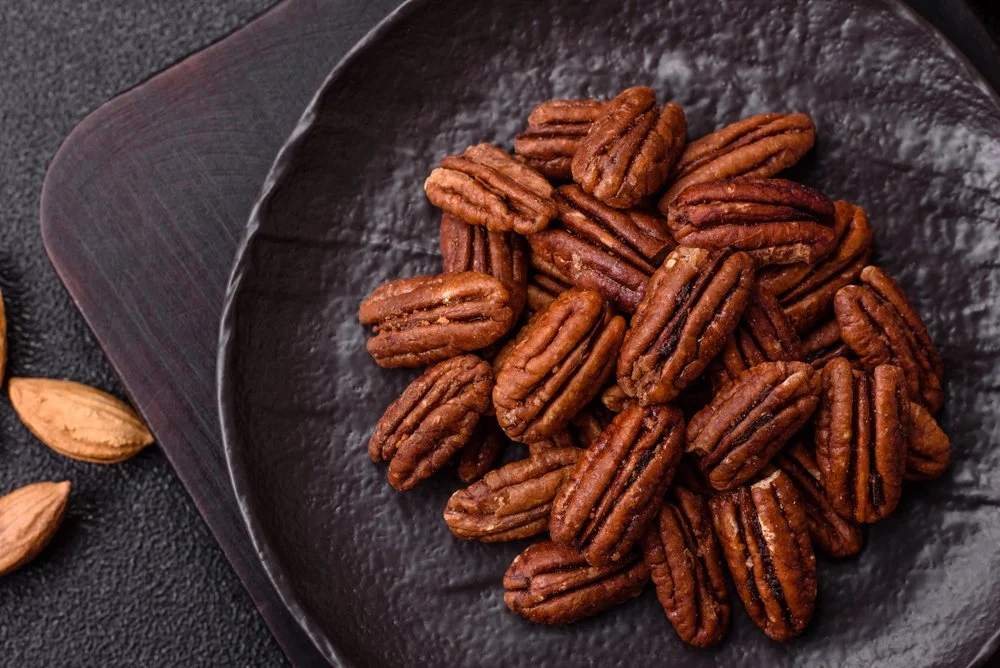
Many people enjoy salted and roasted pecans as a savory snack option that replaces processed foods. For presentation and mindful eating, pecan halves frequently appear on plates or snack boards.
The Relationship Between Gout And Dietary Triggers
Gout symptoms arise when uric acid accumulates faster than the body can eliminate it. Certain foods influence uric acid production due to their purine content. High-purine foods often include organ meats, some seafood, and heavily processed items.
Dietary management of gout often focuses on reducing foods linked to spikes in uric acid while favoring those that support balance. This approach emphasizes moderation rather than elimination for many food groups.
Nuts, including pecans, are generally low in purines compared to animal-based sources. This distinction shapes their relevance in gout-conscious eating patterns.
Purines And Where Pecans Fit
Purines break down into uric acid during digestion. Foods lower in purines usually have a smaller effect on uric acid concentration.
Pecans fall within the low-purine range, making them less likely to influence uric acid buildup. This difference separates them from foods often flagged during gout discussions. Recognizing this contrast helps people avoid limiting foods without a clear reason.
Inflammation Response And Joint Comfort
Gout flares involve significant inflammation inside affected joints. Eating patterns associated with steadier inflammatory activity often shape how frequently flares appear and how intense symptoms feel. Pecans contain natural compounds connected to the body’s inflammation response.
These elements interact with metabolic pathways tied to joint comfort. Selecting foods aligned with inflammation balance benefits joint wellness beyond gout-related concerns.
Healthy Fats And Uric Acid Balance
Fats influence nutrient processing and inflammatory activity within the body. Diets heavy in certain fats may increase metabolic strain, while others align with a steadier balance. Pecans contain unsaturated fats consistent with eating patterns often recommended for metabolic wellness.
These fats do not add to purine intake, which remains important for gout management. Including healthy fats encourages satiety and steadier energy intake, reducing reliance on foods commonly associated with flare triggers.
Weight Balance And Gout Risk
Higher body weight correlates with elevated uric acid levels and greater gout risk. Weight balance plays a major role in managing flare frequency. Foods that promote fullness without high purine content fit well with gout-conscious eating.
Pecans encourage satiety through their fat and fiber profile. This effect may reduce overeating and encourage steady eating habits over time.
Hydration, Diet, And Pecans
Hydration assists uric acid removal through kidney function. Eating patterns that promote mindful consumption often align well with hydration habits.
Pecans work well as part of snacks eaten slowly. This pace increases awareness of thirst and fluid intake. Pairing pecans with water-rich foods or beverages contributes to a broader gout-aware routine.
Replacing High-Risk Snacks
Many snacks associated with gout risk contain refined carbohydrates, added sugars, or unstable fats. These choices often increase metabolic strain.
Swapping them for whole foods shifts eating patterns toward steadier outcomes. Pecans serve as an alternative aligned with lower purine intake and balanced nutrition. This approach focuses on inclusion rather than constant avoidance.
Individual Tolerance Matters
Gout responses differ from person to person. While general guidelines help, personal experience also shapes dietary choices.
Pecans are generally well-tolerated among people managing gout due to their low purine content. Monitoring personal response helps refine intake levels. This individualized approach supports confidence without fear-driven food decisions.
Plant-Based Foods And Gout-Friendly Diets
Plant-focused diets are associated with lower gout risk. These patterns emphasize fruits, vegetables, whole grains, and nuts.
Pecans fit naturally within this framework as a plant-based option that adds variety and satisfaction. Their inclusion maintains dietary diversity without raising purine intake. Broader food selection encourages consistency, which matters more than short-term restriction.
Meal Planning With Gout In Mind
Meal planning built around gout-aware principles reduces stress and uncertainty. Including familiar, enjoyable foods helps maintain consistency. Pecans blend easily into meals or snacks without disrupting dietary goals.
Their versatility suits both sweet and savory uses. This adaptability limits feelings of restriction often linked to gout-focused eating.
Common Myths About Nuts And Gout
Some myths suggest that all nuts worsen gout symptoms. This belief may stem from generalizations about protein-rich foods.
In reality, purine content matters more than protein alone. Pecans demonstrate how nuts can fit into gout-conscious diets. Dispelling myths supports smart choices rooted in evidence rather than fear.
Long-Term Gout Management Through Diet
Gout management benefits from long-term eating patterns instead of reactive changes during flares. Consistency contributes to steadier uric acid levels.
Foods such as pecans align with this approach by fitting into balanced diets without adding common triggers. Building meals around such foods promotes sustainable habits and quality of life.
Listening To Your Body
Dietary guidance gives structure, yet personal awareness remains essential when asking, “Are pecans good for gout?” Paying attention to physical responses helps refine food choices over time.
Pecans feel satisfying without heaviness, which appeals to many people managing joint discomfort. This awareness-based strategy empowers individuals to shape diets that feel enjoyable and practical.
A Thoughtful Approach From Our Orchards
Double Q Pecan Company knows that food choices matter greatly for people managing conditions like gout. Our focus remains on growing and processing pecans that go well with balanced eating patterns rooted in whole foods.
We view pecans as part of a thoughtful nourishment approach tied to comfort, enjoyment, and long-term wellness.
We also recognize that confidence in food comes from knowing how it fits into daily life. Our pecans offer a low-purine option that supports a wide dietary selection without unnecessary restriction.
From orchard care to processing, we remain committed to pecans that people can enjoy as part of educated, healthy eating habits.
If you have any questions about Double Q Pecan Company or would like to learn more about our pecans, please feel free to reach out to us today.