
Are Pecans A Good Source Of Omega 3?
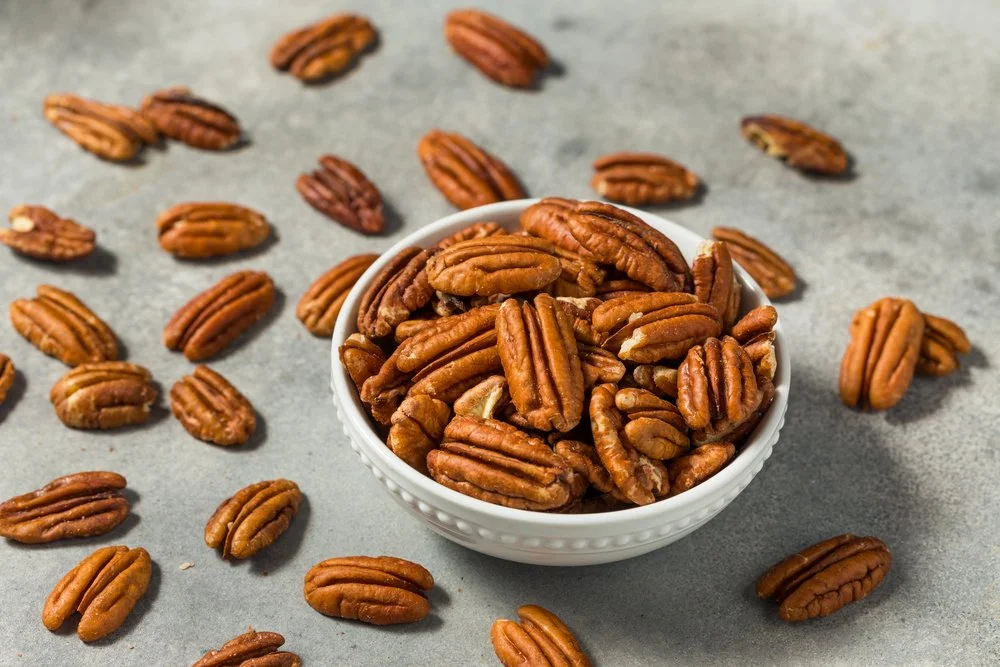
Pecans are often praised for their rich flavor and balanced nutrition, leading many people to ask, Does pecan have omega 3 as part of its natural profile? Wondering, do pecans have omega 3 or are pecans high in omega 3? Understanding how pecans fit into modern nutrition helps clarify their place in a thoughtful eating plan.
The Natural Fat Profile of Pecans
Pecans contain a mix of monounsaturated and polyunsaturated fats that support a balanced approach to nutrition. Their fat composition is shaped by the growing environment, making American-grown pecans valued for consistency and freshness. These natural fats contribute to the smooth texture found in products like large pecan pieces used in cooking and snacking.
While pecans do contain a plant-based omega 3 called alpha-linolenic acid, this amount is lower than in walnuts or certain seeds. Alpha-linolenic acid supports the body differently from the types found in fish, creating a varied landscape of healthy fat choices. Pecans still contribute meaningfully to the overall intake of nutrient-dense foods.
Understanding Omega 3 in Plant Sources
Plant-derived omega 3s play a distinct role in modern diets, especially for people who prefer vegetarian or flexible eating patterns. Pecans add diversity to this category, offering helpful fats without overwhelming levels. This balance makes them appealing for individuals who enjoy building meals around plant-forward ingredients.
The body uses alpha-linolenic acid differently from marine omega 3s, converting only a portion into forms that support functions like heart and brain health. Pecans still contribute value through their combination of fiber, minerals, and healthy fats. This makes them a natural fit for people who enjoy whole foods with steady nutritional benefits.
How Pecans Compare to Other Nuts
Pecans differ from walnuts, almonds, and pistachios in both flavor and nutrient balance. Their lower omega 3 content contrasts with the higher levels found in walnuts, yet pecans offer strengths in other nutritional areas. This creates a varied selection for consumers who appreciate mixing nut types in meals.
Choosing multiple nut varieties supports a well-rounded eating pattern with varied textures and micronutrients. Pecans contribute a softer, buttery taste profile that complements both sweet and savory dishes. Their natural richness makes them a favorite ingredient in salads, bakery items, and trail mixes.
Pecans: A Wholesome Balance of Healthy Fats, Fiber, and Farm-Fresh Nutrition
Even with modest omega 3 levels, pecans support dietary balance through their mixture of healthy fats. This combination plays a part in maintaining steady energy levels and promoting satiety throughout the day. Pecans also align naturally with the farm-to-fork movement, which highlights fresh ingredients grown with care.
Their fiber content adds another layer of nutritional value, assisting digestion and fullness. When paired with fruit, whole grains, or yogurt, pecans contribute to meals that feel both comforting and nourishing. Their American-grown quality also helps maintain trust in sourcing and production.
The Role of Pecan Farming in Nut Quality
Pecan quality begins with the environment in which the trees are grown, particularly in regions with nutrient-rich soil and stable climates. Sustainable farming practices shape the final texture and taste of the nuts. These growing conditions influence the nutrient profile found in whole pecans and large pecan pieces alike.
Processing methods also matter, especially for maintaining freshness and preventing nutrient loss. When pecans are handled carefully from harvest through packaging, they retain more natural flavor and beneficial fats. This attention to detail supports consumer confidence and enhances the overall eating experience.
How Consumers Use Pecans for Everyday Nutrition
Pecans are used in breakfast bowls, salads, baked goods, and snack blends due to their versatility. Their soft crunch and natural sweetness allow them to complement both simple dishes and complex recipes. Many home cooks rely on pecans for texture variation when experimenting with whole-food ingredients.
People seeking convenient sources of plant-based fats often turn to pecans for balanced snacking. They pair well with berries, oats, and vegetables, creating combinations that feel satisfying without being overwhelming. These everyday uses reflect the broad appeal of pecans across household kitchens.
Pecans as a Thoughtful Choice in Balanced, Everyday Nutrition
Pecans contribute meaningfully to healthy eating patterns, even though their omega 3 content is modest compared to certain other nuts. Their combination of natural fats, nutrients, and American-grown quality supports a thoughtful approach to everyday meals. Understanding these nuances helps consumers appreciate pecans as part of a wider variety of whole-food options.
At Double Q Pecans, we invite you to experience the richness of our southern pecan product selection, grown and processed with care on our farm and facility. Shop online now, or if you would like to learn more, contact us today to discover the quality of American-grown pecans crafted for both wholesale and retail customers.