Pecans Vs. Almonds: Key Differences Explained
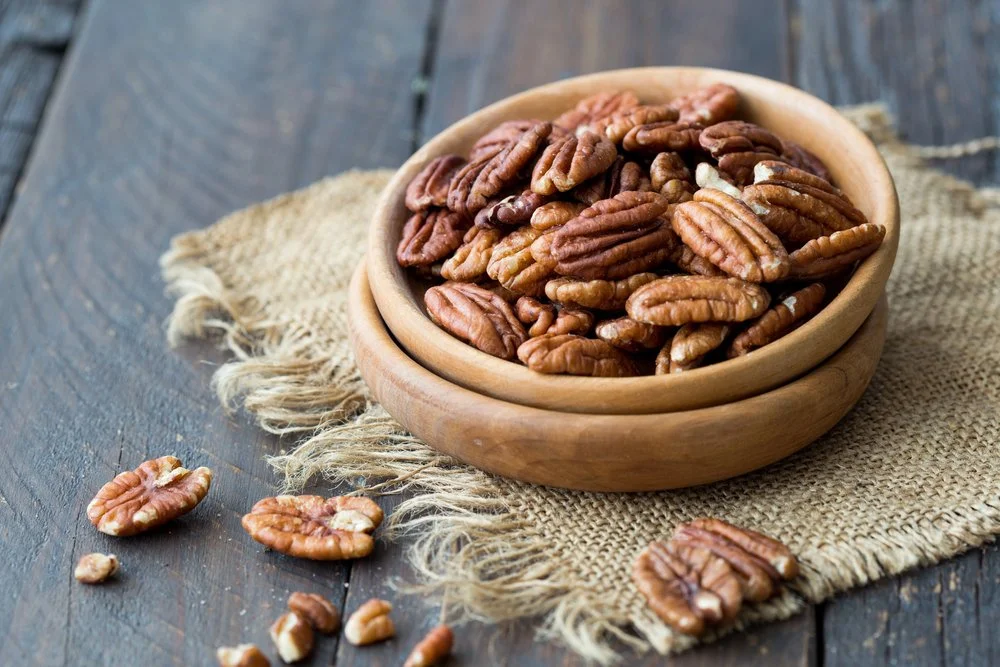
Nuts are a popular choice for healthy snacking, baking, and cooking. Among them, pecans and almonds often stand out for their flavor and nutritional value. Understanding the key differences between pecans vs. almonds helps you make informed choices for your health and also for creating delectable recipes later.
Nutritional Overview
The comparison between pecans vs. almonds reveals unique nutritional strengths in both nuts. Pecans are higher in total fat, with heart-friendly monounsaturated and polyunsaturated fats, while almonds have more protein and fiber. This makes pecans ideal for those focusing on adding healthy fats to their diet and almonds for those looking for muscle and digestion support.
Almonds contain more calcium, iron, and vitamin E, which are important for bone health and immune function. On the other hand, pecans are richer in zinc, manganese, and vitamin A. These differences make both nuts valuable, depending on what your diet needs most.
Fat and Calorie Differences
Pecans contain more calories per serving due to their higher fat content. While this might seem like a drawback, those fats are mostly healthy unsaturated fats that promote cardiovascular health. Almonds have fewer calories and a slightly lower fat ratio, making them a lighter choice for controlled diets.
For those watching calorie intake, portion control matters more than which nut is chosen. A handful of either nut offers energy, satiety, and valuable nutrients. Choosing between them depends on dietary goals rather than strict calorie counts.
Protein and Fiber Comparison
Almonds take the lead in protein and fiber, making them suitable for individuals seeking energy and digestive benefits. Their high protein content supports muscle maintenance and helps reduce hunger between meals. Fiber in almonds also promotes gut health and blood sugar balance.
Pecans contain less protein but still contribute valuable dietary fiber. Their texture and flavor make them a satisfying snack even in smaller quantities. Together, they complement a balanced diet, combining the benefits of plant-based protein with healthy fats.
Vitamin and Mineral Content
When comparing almonds vs. pecans, almonds are strong in vitamin E, niacin, and folate. These nutrients help support skin health, energy metabolism, and cellular repair. This makes almonds particularly appealing for those focusing on overall wellness.
Pecans, meanwhile, deliver higher levels of zinc, manganese, and vitamin K. These minerals play roles in bone strength, immune defense, and antioxidant protection. The variety of nutrients between the two nuts means they can work well together in a balanced snack mix.
Heart Health and Cholesterol
Both nuts contribute to heart health, but they do so differently. Almonds have been studied for their ability to lower LDL cholesterol and improve blood vessel function. Regular almond consumption supports better lipid profiles and heart protection.
Pecans also promote cardiovascular wellness by increasing good HDL cholesterol and reducing oxidative stress. Their rich monounsaturated fats and antioxidants may help manage inflammation. These benefits make both nuts reliable options for maintaining heart health.
Taste and Texture
Pecans have a rich, buttery flavor that works well in desserts, snacks, and savory dishes. Their soft, crumbly texture makes them ideal for pies, pastries, and candies. They are naturally sweet, reducing the need for added sugar in recipes.
Almonds, by contrast, have a firmer, crunchier texture with a slightly earthy flavor. They add structure to baked goods and make an excellent base for nut butter or milk. Each nut offers a distinct sensory experience, depending on how it is used.
Culinary Uses
In the kitchen, pecans are known for their versatility in traditional Southern recipes. Dishes such as pecan pie or candied nuts showcase their sweet profile. For a premium choice, mammoth pecan halves are perfect for roasting or decorating baked goods.
Almonds are more common in Mediterranean-inspired meals. They are often found in granola, marzipan, and dairy alternatives like almond milk. Both nuts pair well with fruits, grains, and chocolate, making them adaptable for various cuisines.
Antioxidants and Health Benefits
Pecans contain high levels of antioxidants, particularly phenolic compounds and vitamin E. These compounds help protect cells from oxidative damage and support metabolic health. Eating pecans regularly can contribute to long-term wellness when balanced with other nutritious foods.
Almonds also contain antioxidants, though they focus more on vitamin E and flavonoids. Together, these nutrients combat inflammation and help maintain healthy skin and tissues. Incorporating both nuts into your diet supports a more complete antioxidant intake.
Digestive and Metabolic Impact
Almonds have a lower glycemic index than pecans, meaning they affect blood sugar more gradually. This makes them a good choice for individuals managing glucose levels. Their combination of protein and fiber helps sustain energy without sharp spikes.
Pecans are lower in carbohydrates and may suit low-carb or ketogenic diets better. Their healthy fats contribute to feelings of fullness while maintaining steady energy. This makes pecans particularly valuable for those reducing sugar or starch intake.
Sustainability and Origin
Pecans are native to the United States, often grown in Southern regions with deep agricultural roots. Supporting pecan growers contributes to local economies and the farm-to-fork movement. Buying domestic products also means fresher nuts with a smaller environmental footprint.
Almonds, largely produced in California, require more water resources for cultivation. While still valuable nutritionally, their production can be more resource-intensive. Choosing American-grown pecans supports sustainable farming practices and local agriculture.
Which Is the Healthier Choice?
Deciding which is healthier depends on individual goals and preferences. Those seeking more protein and calcium may prefer almonds. Meanwhile, individuals looking for rich flavor and higher healthy fat content might lean toward pecans.
In general, both nuts support heart, brain, and metabolic health. The answer to which between pecans and almonds is healthier depends on context; one is not universally better. A combination of both can offer the most complete nutritional and taste experience.
Enjoy the Flavor of Fresh Pecans
At Double Q Pecan Company, we grow and process premium Southern pecan products that capture the authentic farm-to-fork experience. From fresh pecan halves to flavored options, our selection offers unmatched quality and flavor. Visit our website to shop online, or contact us today to taste the difference that true American-grown pecans make.