
How Much Protein Is In Pecans? Why It Matters For Your Health
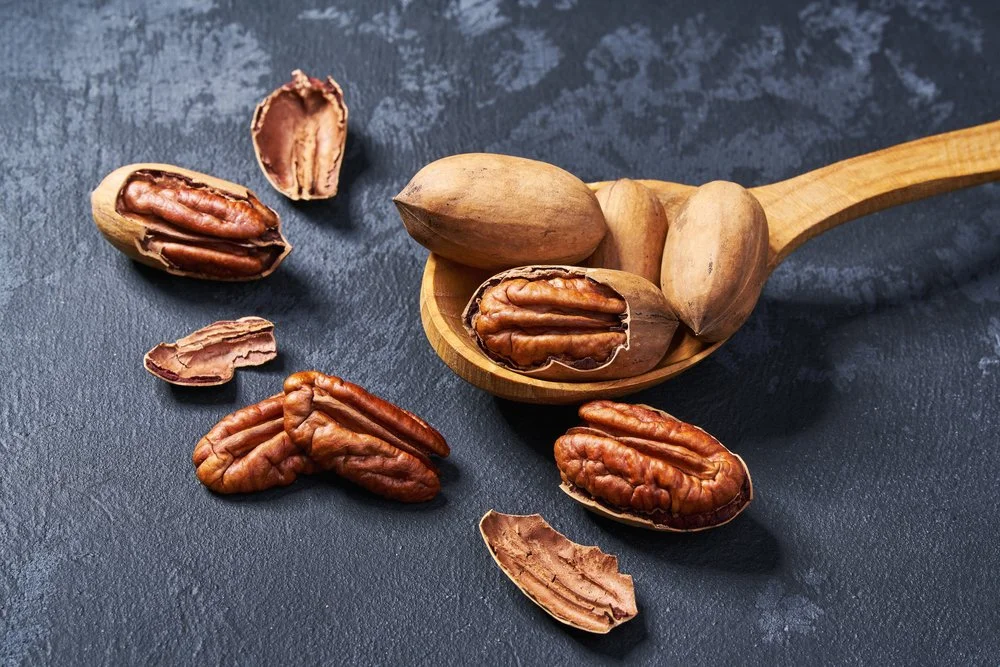
How much protein is in pecans? The answer helps shape smarter food choices for people who care about nourishment, energy, and long-term wellness. Understanding protein content helps guide food choices that fit real life eating patterns rather than short-term trends.
Protein plays a central role in maintaining strength, managing appetite, and fueling daily activity. Its presence in whole foods deserves attention, especially for people aiming to build steady nutrition through everyday meals.
Many people first experience pecans through southern pecan products, which have long been part of regional meals and family recipes. These traditions reflect how pecans became trusted ingredients tied to comfort, nourishment, and shared dining experiences.
Some prefer pecan halves for snacking or plating because of their intact shape and texture. Their visual appeal and satisfying bite make them a popular choice for simple, intentional eating moments.
Others rely on pecan pieces for cooking and baking applications that blend easily into meals. This form allows pecans to distribute evenly, supporting flavor and nutrition without overpowering other ingredients.
Bold flavor lovers often choose salted and roasted pecans as a satisfying option during busy days. This preparation appeals to people who want convenience paired with depth of taste and lasting satisfaction.
The Actual Protein Content In Pecans
How much protein is in pecans becomes clearer when looking at the serving size. A one-ounce portion contains roughly three grams of plant-based protein. While this amount may seem modest compared to animal sources, its value becomes more apparent when pecans appear regularly throughout the day. Protein intake works cumulatively rather than in isolation.
Plant-based protein arrives alongside other nutrients that shape digestion and energy use. In pecans, protein comes paired with fiber and healthy fats, which slow digestion and encourage steadier nutrient use. This balance affects how long energy remains after eating.
Protein from pecans plays a role in everyday dietary needs rather than acting as a single solution. Its benefits become more noticeable when pecans appear consistently in meals and snacks.
Why Protein Deserves Attention In Daily Nutrition
Protein plays a role in tissue repair, muscle maintenance, immune activity, and metabolic processes. It also shapes satiety, which affects how often hunger appears between meals. Diets lacking steady protein intake often lead to pronounced energy swings.
Distributing protein across meals helps maintain more even energy levels. Pecans fit naturally into this approach because they require little preparation and pair easily with other foods.
Protein also assists with aging well. Maintaining muscle mass supports mobility and physical independence over time, making consistent intake important across all life stages.
Pecans And Sustained Fullness
Foods that combine protein, fiber, and fats tend to keep people satisfied longer. Pecans fall into this category, which explains why a small portion often feels more filling than refined snack options.
This quality matters for people managing weight or developing healthier eating patterns. Feeling satisfied reduces frequent snacking and helps maintain steadier food routines throughout the day.
Pecans are also slow to eat due to their texture and richness. This natural pacing helps digestion and allows the body to register fullness signals more clearly.
Protein And Muscle Health
Digestion determines how effectively the body uses protein. Pecans break down gradually due to their fat and fiber content, so nutrients can be absorbed steadily rather than rapidly.
Some protein sources feel heavy or uncomfortable for certain individuals. Pecans tend to feel gentler while still adding meaningful protein to daily intake. This makes them suitable for a wide range of dietary preferences.
Steady digestion encourages regular consumption, which often matters more than occasional high protein meals.
Digestive Comfort And Protein Absorption
Plant-forward eating continues to attract people seeking balanced nutrition. Pecans fit well within this approach by adding protein without dominating the plate.
Using a range of plant foods builds nutritional variety. Pecans pair easily with other protein sources while adding flavor, texture, and satisfaction. This variety helps people maintain healthier eating habits over time. Steady digestion encourages regular consumption, which often matters more than occasional high-protein meals.
Protein In Plant-Focused Eating Patterns
Plant-forward diets continue to gain interest among people who want balanced nutrition. Pecans fit well with this approach by contributing protein without dominating meals.
Using different types of plant foods supports nutritional diversity. Pecans complement other protein sources and add flavor, texture, and satisfaction. This encourages long-term adherence to healthy eating habits.
Their adaptability across cuisines makes them relevant beyond traditional dishes. Pecans fit into both classic recipes and modern meal planning.
Long-Term Benefits Of Consistent Protein Intake
Protein intake shapes more than immediate hunger. Over time, it relates to muscle preservation, bone strength, and metabolic steadiness.
Consistency carries more weight than dramatic dietary shifts. Pecans suit this steady approach because they fit seamlessly into daily life. Their shelf stability and versatility make them easy to include without special preparation.
Small, repeated choices shape overall health. Pecans demonstrate how incremental protein sources contribute to meaningful outcomes over time.
Choosing Quality Pecans Matters
Food quality shapes both taste and nutritional integrity. Pecans grown and processed with care retain more of their natural characteristics, resulting in better eating experiences.
Freshness often determines how frequently people return to a food. High-quality pecans encourage repeat use, helping maintain regular nutrient intake. Knowing where food comes from builds confidence in daily choices. Transparent sourcing connects people to the agricultural origins of their meals.
Pecans In Everyday Meals
Pecans blend easily into breakfast, lunch, and dinner. They add substance to salads, grains, and vegetable dishes while contributing to protein intake.
Snacks built around pecans deliver nourishment without excessive sweetness. This helps maintain balanced energy throughout the day. Their versatility allows pecans to remain a staple rather than an occasional indulgence.
Our Approach At Double Q Pecan Company
Double Q Pecan Company knows that protein matters greatly in how people feel and function each day. Our work focuses on cultivating and processing pecans that support balanced nutrition through thoughtful agricultural practices.
We value the role pecans play in steady eating habits rooted in tradition and quality.
We also recognize that people want foods they can trust and enjoy regularly. Our pecans contribute plant-based protein in a way that fits naturally into everyday meals.
From orchard care to processing, we focus on delivering pecans that are in keeping with health-conscious lifestyles and long-term nourishment.
If you have any questions about Double Q Pecan Company or would like to learn more about our pecans, please feel free to reach out to us today.