Difference Between Pecan And Praline: The Sweet Taste Debate
The difference between pecan and praline shapes how people understand nut flavor and southern confectionery traditions. Many ask what this truly means, especially as interest grows in classic treats.
Pecans stand on their own as a naturally rich and buttery nut, prized for their flavor and history in American orchards. Pralines, however, highlight a candy-making craft that blends sweetness, creaminess, and nutty texture. Both offer unique experiences, so understanding their distinction helps readers choose what suits their preferences.
Pecans as a Natural Nut from the Orchard
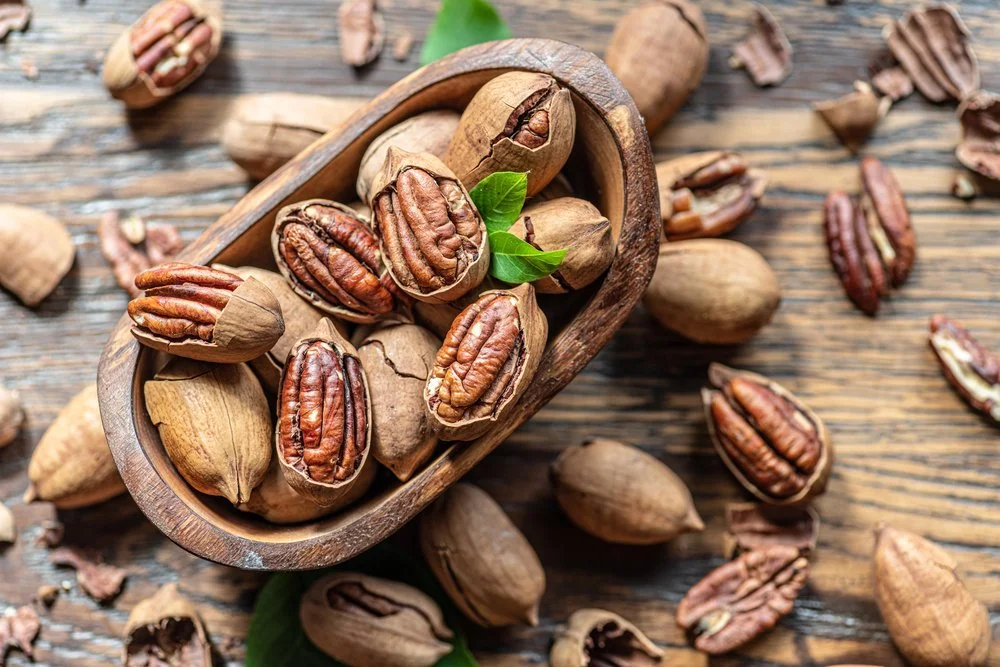
Pecans grow on trees across the southern United States, making them a true American crop with deep agricultural roots. Their flavor carries a smooth, buttery quality that pairs well with savory dishes and sweet desserts. Freshness depends on careful harvesting practices that protect the nut’s natural oils and taste.
The nut’s versatility makes it appealing to home cooks and large-scale food producers alike. Because the pecan is a whole food, it plays well with many ingredients in both sweet and savory recipes. Many farms focus on quality to support the farm-to-fork interest seen in customers today.
Pralines as a Sweet Confection with History
Pralines began as a European treat but took on a new identity in the American South. Chefs combined sugar, butter, cream, and pecans to craft a candy with a distinctive flavor profile. This mixture produces a texture that ranges from soft to brittle depending on preparation methods.
The modern praline carries tones of caramel, cream, and toasted nuts. Its sweetness appeals to those who enjoy indulgent snacks with nostalgic charm. The process highlights creativity, allowing confectioners to adjust flavors and consistency to suit local traditions.
Texture Differences Between the Two Favorites
Pecans retain a firm texture due to their natural structure and oil content. This makes them enjoyable as snacks or as ingredients that add crunch to baked goods. Their consistency remains stable even when roasted or seasoned.
Pralines, on the other hand, rely on sugar cooking stages that dictate the final bite. Some pralines melt easily, while others feature a crisp exterior that breaks apart. The contrast between the candy and the nut creates a clear division in texture that strengthens the difference between pecan and praline.
Flavor Profiles that Set Them Apart
Pecans taste naturally buttery with a soft sweetness that complements many dishes. This flavor remains consistent across roasting, toasting, or seasoning. Their subtle character supports recipes without overwhelming other ingredients.
Pralines shift toward caramel richness with lingering notes of cream and sugar. These flavors make them bolder and more dessert-focused than plain pecans. The inclusion of praline pecans widens this appeal by blending nut flavor with a delicate candy shell.
How Both Products Are Used in the Kitchen
Cooks enjoy pecans in salads, pies, breads, granolas, and savory topping blends. Their ability to hold structure makes them dependable in many recipes while still adding depth. Pecans also function well in raw or roasted form.
Pralines shine in dessert presentations where sweetness and visual appeal matter. They often decorate cakes or appear as wrapped candies sold in specialty shops. Many bakers crumble pralines for added richness, creating a distinct contrast to standard pecan pieces.
Questions Many Consumers Ask About Them
Shoppers frequently wonder, "What’s the difference between pralines and pecans?" when comparing ingredient labels or browsing treat assortments. Understanding the distinction helps them choose items that align with personal taste. This clarity also supports informed purchasing decisions.
Another common question is, "Are pralines and pecans the same thing?", which highlights confusion between nut and candy. Recognizing the differences helps customers appreciate both products without mixing the two. Each fills a separate role in baking, snacking, and gifting.
Production Methods that Shape Their Unique Qualities
Pecan production focuses on orchard care, proper handling, and quality processing. Farms monitor trees across the seasons, harvesting nuts at peak ripeness. Drying, shelling, and sorting all contribute to delivering consistent flavour for this nut variety.
Praline production leans on sugar-cooking techniques that require attention to temperature and timing. Candy makers stir mixtures carefully until they reach the preferred stage. This process introduces the creamy, caramel-like qualities that distinguish pralines from simple nut varieties.
Why People Enjoy Comparing These Sweet Choices
Flavor discussions often invite comparisons as consumers explore Southern treats. Pecans attract those who prefer natural food sources with simple ingredients. Pralines appeal to fans of classic confections shaped by regional traditions.
Both items offer charm in desserts and gourmet gift baskets. Their differences strengthen the appeal of each product, giving shoppers plenty of choices for their palate. This ongoing interest fuels debates about the sweeter, richer, or more versatile option.
Pairing Them with Modern Snacking Trends
Interest in farm-to-fork foods has increased, which highlights pecans as a wholesome choice. Many shoppers value knowing where their nuts originate, especially when grown in the United States. Pecans align well with this trend due to their direct connection to orchard farming.
Pralines complement gifting trends and dessert traditions that focus on nostalgia and comfort. Their sweetness creates an experience that feels rooted in southern culture. Together, both items shape a conversation around flavor, craftsmanship, and personal preference.
Pecans and Pralines: Distinct Flavors for Different Tastes and Occasions
Understanding how these two favorites compare helps readers appreciate each item in a new way. Pecans express the purity of the nut itself, while pralines showcase the artistry of candy making. Both satisfy different cravings and add interest to kitchen projects and seasonal celebrations.
Highlighting the contrast between pecans and pralines shows how each appeals to today’s food preferences. Some shoppers are drawn to the simple, natural character of pecans, while others prefer the indulgent sweetness of pralines. Together, they offer versatility across snacks, desserts, and handcrafted gift ideas, inviting consumers to explore and enjoy a range of flavors and uses.
Take Home Authentic Southern Flavor
At Double Q Pecans, we celebrate both natural nut flavor and the sweet traditions that surround it. If you are looking for a southern pecan product that reflects true farm-to-fork quality, shop our selections today or reach out through our contact us page for questions or wholesale interest.